Lightweight Cellular Concrete

Introduction to Lightweight Cellular Concrete (LCC)

Lightweight Cellular Concrete (LCC) is a pioneering construction material that has evolved over the last 3,000 years, tracing its roots back to the use of volcanic ash as fine aggregate. In recent years, technological advancements have significantly enhanced the performance characteristics of LCC, making it the preferred choice for lightweight backfill and flowable fill applications.

LCC exhibits a low density that effectively reduces earth pressure, minimizes dynamic forces during seismic events, mitigates settlement issues, and absorbs earthquake forces in subsurface structures. Compared to traditional ground improvement techniques, LCC offers substantial cost savings and benefits such as reduced construction time, diminished uncertainty regarding total and rate of settlements, efficient groundwater and spoil disposal, and simplified construction processes. In modern construction environments, where schedules are tighter, site footprints are smaller, and access can be challenging, LCC provides a reliable and adaptable solution tailored to diverse project conditions.

Composition and Production of LCC

LCC is composed of Type I, II, V or IL Portland cement, SCM’s, water, and preformed foam. The foam, resembling shaving cream, is added in varying quantities to adjust the unit weight of the final product. This introduction of air voids is achieved through the use of either protein-based or synthetic-based foaming agents, which react both mechanically and chemically with the other components to trap air within the mixture. This unique formulation enables the production of cast densities as low as 24 pounds per cubic foot (PCF).

Mixing Process

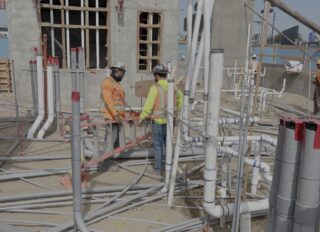
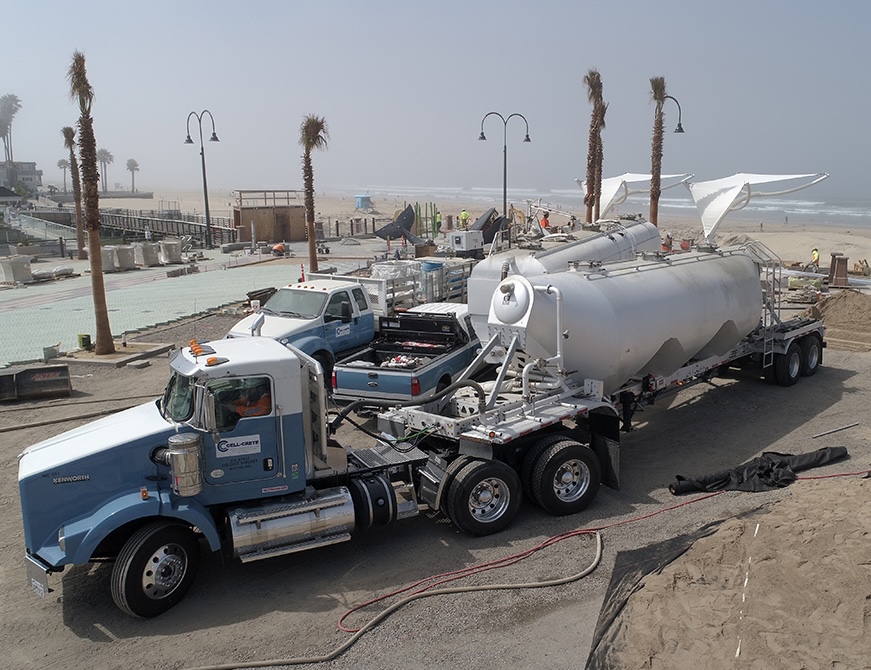
The mixing of LCC occurs directly at the job site, utilizing a truck-mounted grout mixers. Bulk cement is delivered to the site and mixed on-site to create a slurry, which is then injected with preformed foam to yield the cellular concrete. Our portable units are capable of producing up to 1,500 cubic yards (CY) of LCC per day per unit, and multiple units can be mobilized as needed.

One of the standout features of LCC is its ability to be pumped over substantial distances, making it ideal for confined high-traffic construction areas where traditional backfill materials would necessitate extensive trucking operations. Notably, one bulk delivery of cement can generate up to 120 CY of cellular concrete, effectively replacing the need for over ten truckloads of conventional backfill to achieve the same volume.

Cellular Concrete ClassMaximum Cast Density PCFMinimum Compressive Strength at 28 days * PSI
II3040
III3680
IV42120
V50160
VI80300

Advantages of LCC

✓ No Compaction Required
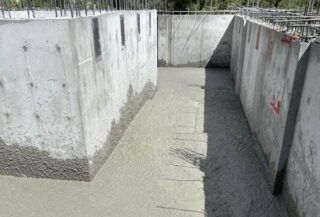
Once poured, LCC settles into place without the need for additional compaction efforts, streamlining the construction process.

✓ Reduced Density
One of the most significant advantages of LCC is its low density, which can be as low as 24 PCF. This characteristic minimizes the load on existing structures and foundations, making it particularly beneficial in applications where reducing earth pressure is crucial. It allows for the safe and efficient use of the material in areas with weight restrictions.

✓ Time and Cost Efficiency
LCC significantly reduces construction time compared to traditional backfill materials. The ability to produce large volumes on-site with portable units allows for quicker project completion. Furthermore, the reduced need for heavy machinery and transportation translates to lower labor and logistics costs.

✓ Versatility in Application
 LCC can be used in a wide range of applications, including backfill for retaining walls, trench fill, void filling, and as a lightweight structural fill under pavements and slabs. Its adaptability makes it suitable for various project types, from residential developments to large-scale infrastructure projects.

✓ Quality Control 
Field quality control tests are routinely conducted to verify density and strength, ensuring that the material meets the desired specifications (test cylinders are utilized for verification).

✓ Enhanced Structural Performance 
The unique composition of LCC allows it to absorb and dissipate seismic forces effectively. This makes it an excellent choice for backfill in earthquake-prone regions, where it can mitigate the impact of dynamic loads and reduce the risk of structural failure.

✓ Environmental Benefits 
LCC is often made with sustainable materials and can utilize waste products, such as fly ash or recycled aggregates, in its formulation. This reduces the environmental impact of construction by minimizing waste and promoting the use of eco-friendly materials. Additionally, its lightweight nature decreases the energy consumption associated with transportation and heavy machinery.

✓ Improved Flowability 
The flowable nature of LCC allows it to easily fill voids and conform to intricate shapes, ensuring complete and uniform coverage. This property is particularly advantageous in tight or challenging spaces, where traditional materials may struggle to achieve proper placement.

In Summary

Lightweight Cellular Concrete is a highly effective and innovative material that addresses the challenges of modern construction. Its unique properties and production methods provide significant advantages over traditional alternatives, making it an essential component of contemporary construction practices.

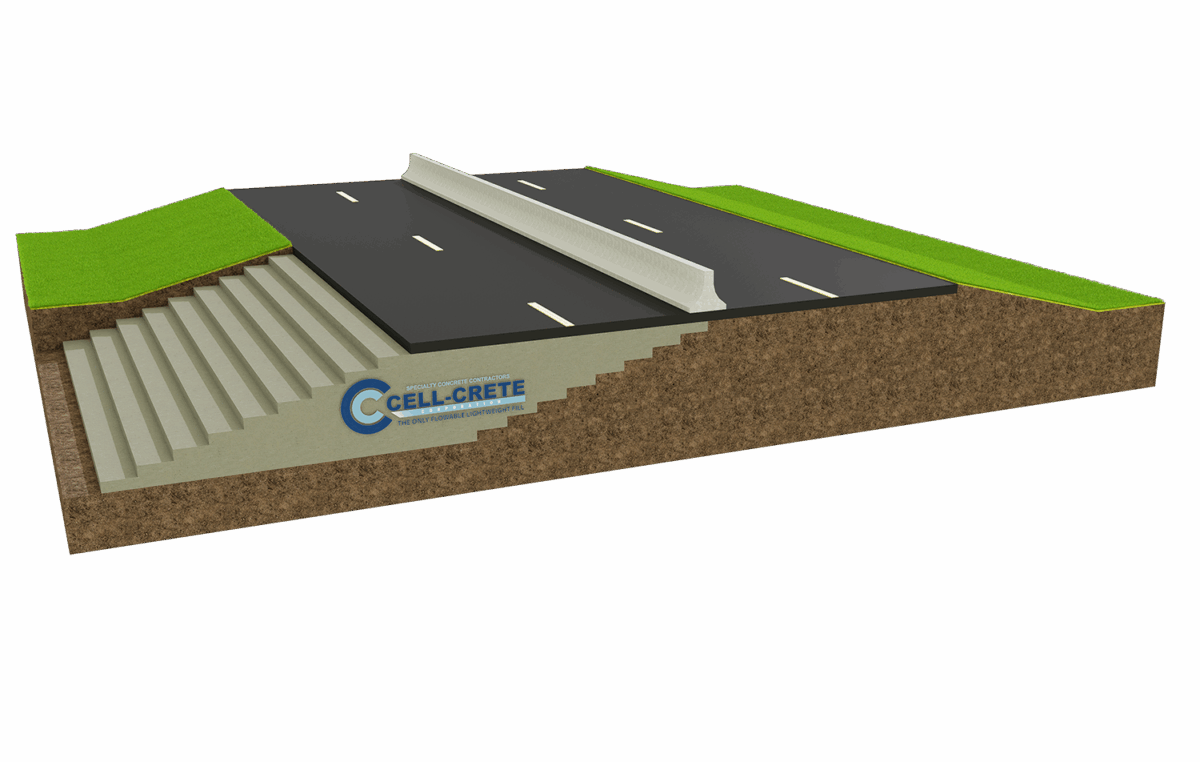
Lightweight Cellular Concrete for Road Widening
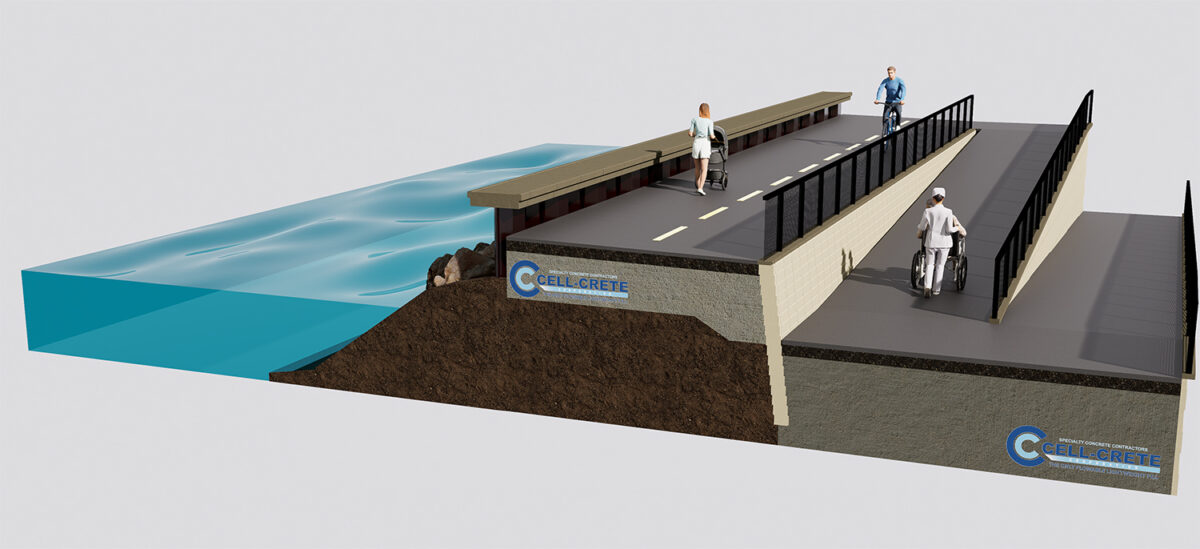
Lightweight Celluar Concrete for Bridge Abutments
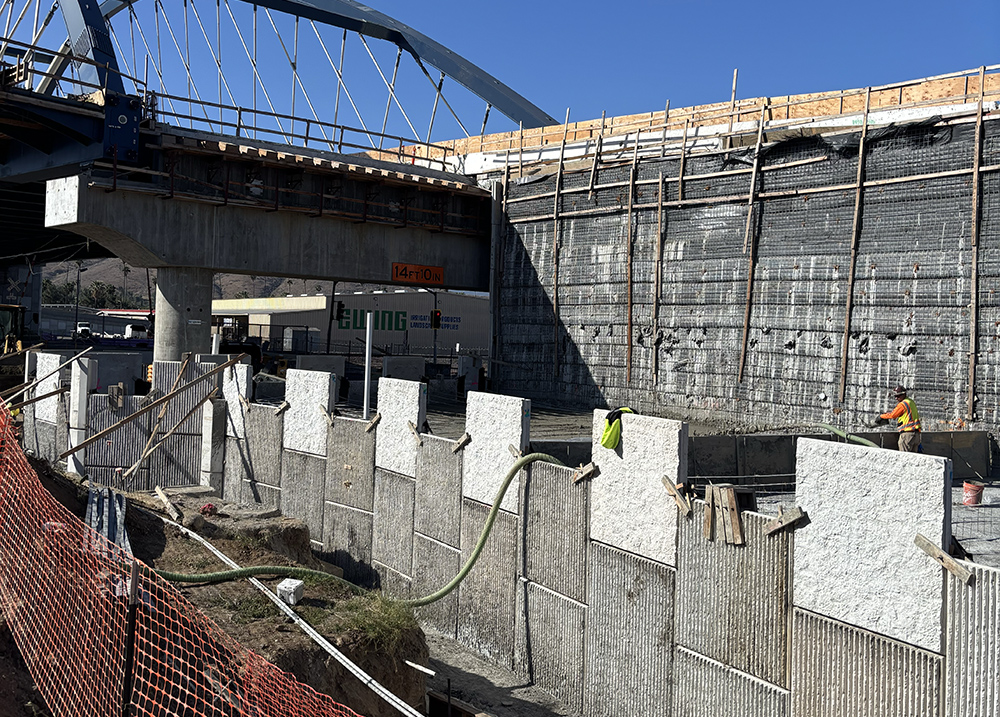
Lightweight Cellular Concrete For RW Backfill
Lightweight Cellular Concrete for Fill Over Culverts & Pipelines
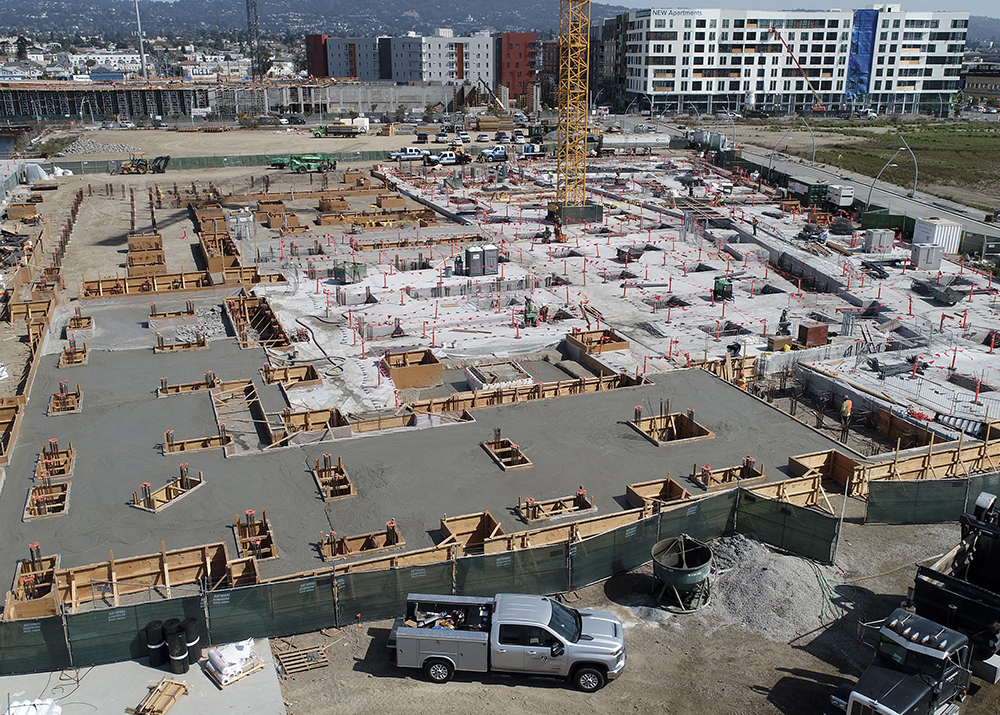
Lightweight Cellular Concrete for Green Roof, Landscapes and Podium Areas
Lightweight Cellular Concrete for Light and Heavy Rail Applications
LCC placed as lightweight approach/embankment fill to reduce load and manage settlement while maintaining access.

Case Study Reference Links

Lightweight cellular concrete provides many advantages in geotechnical applications, however, its use has been limited because of a lack of understanding of its engineering properties. In this study, laboratory soil tests were conducted on lightweight cellular concrete having four different densities, and shear strength parameters, coefficients of permeability, and at-rest earth pressure coefficients were measured… Read More >

For more information, the following report demonstrates the extensive and successful use of LCC in engineering applications for over 60 years. Read More >

Download Our Latest Brochure

For more information, the following report demonstrates the extensive and successful use of LCC in engineering applications for over 60 years

LCC Sample Spec text

Section: 03 30 20
LCC Sample Spec